

Fostering can be a rewarding experience, offering children a safe and nurturing environment. Many potential carers wonder: can I foster if I rent? Understanding housing requirements is crucial before beginning your fostering journey. This guide will clarify common questions about property ownership, space, and accommodation standards for foster carers in the UK.
Can I foster if I rent? Understanding property requirements
A frequent concern for prospective carers is whether renting a home disqualifies them from fostering. The answer is: in most cases, you can foster if you rent. Fostering agencies do not require you to own your property, but they do assess whether your home meets certain foster carer home requirements. These requirements ensure that the child’s safety, privacy, and well-being are prioritised.
Rental properties are evaluated similarly to owned properties. Agencies may review your tenancy agreement and contact your landlord to confirm that fostering is allowed. Some leases may have restrictions, so it’s important to check your contract and speak to your landlord before applying.
Can I foster if I rent: Is renting a flat a barrier?
Some potential carers live in flats rather than houses and may wonder whether this limits their fostering options. The good news is that fostering in flats is possible. Agencies focus more on the suitability of the space than the type of property. Factors such as accessibility, safety, and adequate living areas are more significant than whether your home is a flat or a house.
When fostering in a flat, particular attention is given to communal areas, fire safety measures, and secure access. If you meet these standards, your rented flat could be perfectly suitable for fostering.
Bedroom requirements fostering: Space matters
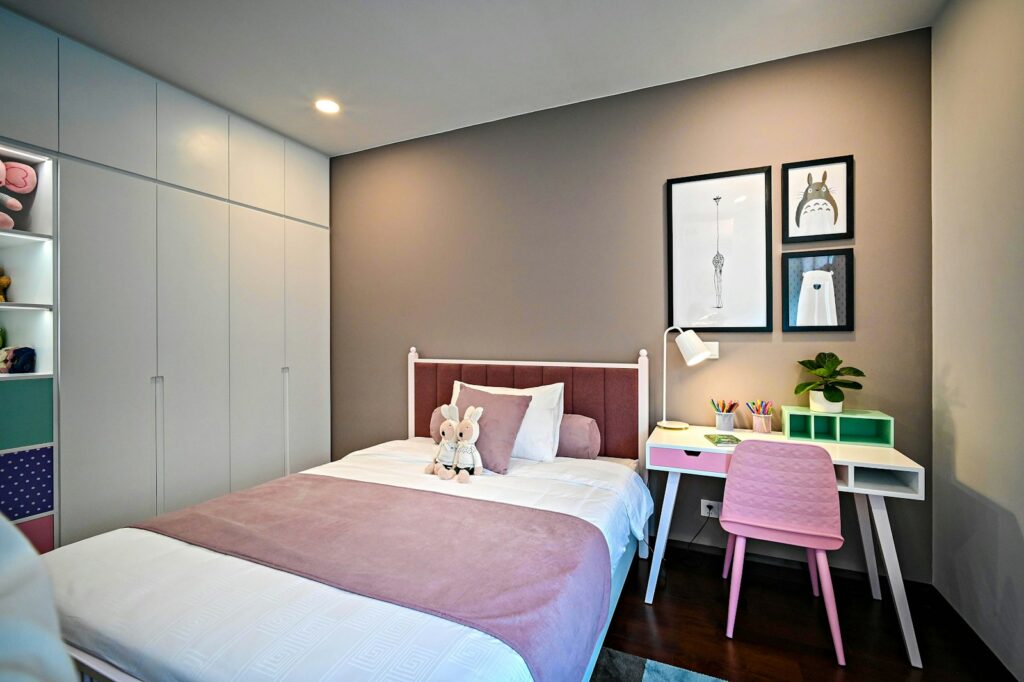
One of the most common concerns is space, particularly regarding bedrooms. Bedroom requirements for fostering stipulate that children usually need their own room or may share with children of the same gender and similar age, depending on age and agency guidelines.
When fostering siblings, most agencies allow them to share a bedroom if it is safe, age-appropriate, and supports their emotional bond. However, assessments will still consider the size of the room, individual needs, and whether separate bedrooms would better support their wellbeing.
Even if you rent, you can foster provided that your property meets these bedroom requirements. Some flexibility exists for sibling placements or temporary arrangements, but agencies will ensure the child’s comfort and privacy are never compromised. Proper bedroom space is a key consideration in approving applications. Want to know if you’re eligible to foster? Read our article on Who Can Foster in the UK.
Other housing considerations for renting carers
While the type of property and bedroom space are primary concerns, other foster carer home requirements include:
- Safety: Your home must be safe, with functioning smoke alarms, secure windows, and child-proofing where necessary.
- Cleanliness: Homes should be tidy and well-maintained to provide a nurturing environment.
- Accessibility: Children with specific needs may require adaptations to access your home comfortably.
- Neighbourhood: Agencies may consider the safety and amenities of your local area.
Even if you rent, meeting these requirements demonstrates that your home is suitable for fostering. Take a few minutes to Apply to foster and our team will be in touch as soon as possible.
Can I foster if I rent? Myths debunked
A common myth is that only homeowners can foster. In reality, agencies focus on your home’s suitability rather than ownership status. Therefore, if you’ve wondered, “can I foster if I rent,” the answer is yes—as long as your home complies with fostering standards.
Another misconception is that space limitations in rental properties prevent fostering. Agencies understand that rental homes come in various sizes and layouts, and approval is often granted as long as the essential bedroom requirements fostering and safety standards are met. There are is a lot of false information and misleading ideas being circulated about fostering so we encourage readers to take 2 minutes to learn the truth about common fostering myths.
Preparing our home as a rented property
To strengthen your fostering application as a renter:
- Review your tenancy agreement to ensure fostering is permitted.
- Make necessary adaptations to meet safety and space requirements.
- Document your home’s suitability, including photos and floor plans, for agency review.
- Be proactive in discussing your rental situation with your fostering agency.
These steps show that renting does not limit your ability to provide a loving and safe home.
Conclusion: Yes, you can foster if you rent
Fostering is not limited by home ownership. Understanding the specific foster carer home requirements and ensuring your rented property meets safety, space, and privacy standards are key steps. Renting a flat or house does not prevent you from making a difference in a child’s life.
By preparing your home, reviewing bedroom requirements, and meeting other agency criteria, you can successfully begin your fostering journey.
For further information on financial support while fostering, check out our article on Foster Pay scales .
Start your journey today and discover how rewarding it is to foster, even in a rented property.